

 ru
ru 
 English
 Español
Задвижки ножевые КГВ-Д
Кот:Шламовые ножевые задвижки
Шламово-ножевая задвижка FNC совместима с различными приводами. Его основной корпус изготовлен из таких материалов, как чугун, литая сталь и нер...
Подробности см.Контент
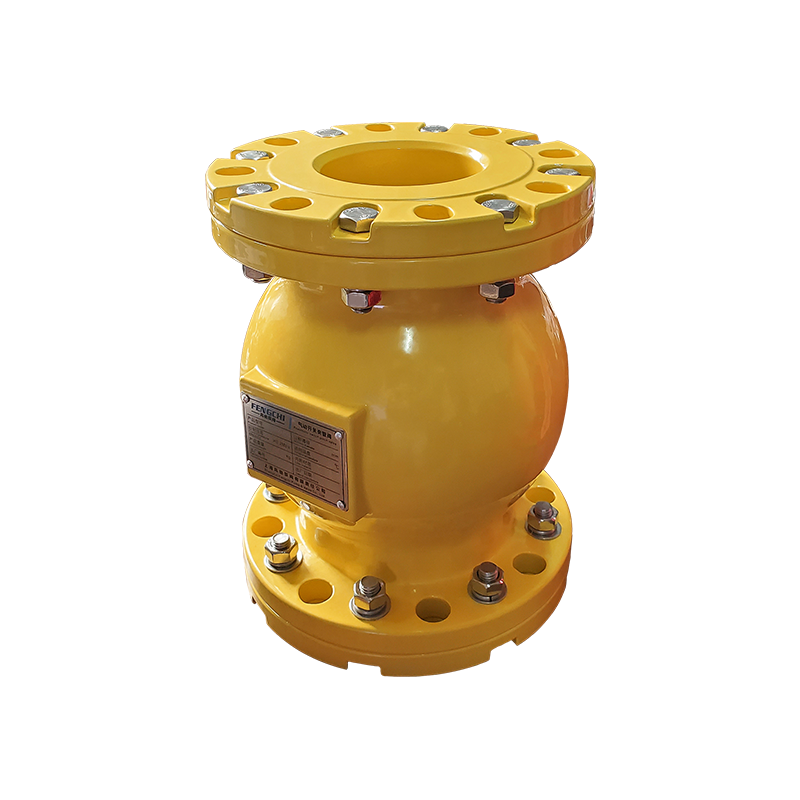
Air operated pinch valves are a category of industrial flow control device that regulates the passage of media through a pipeline by mechanically compressing a flexible rubber sleeve. Unlike conventional gate, ball, or butterfly valves that rely on metal-to-metal seating surfaces, air operated pinch valves achieve shut-off entirely through the elastic deformation of an internal sleeve. When compressed air is introduced into the valve body — the space between the outer casing and the sleeve — it exerts uniform pressure around the entire circumference of the sleeve, pinching it shut from all sides simultaneously. When air pressure is released or vented, the sleeve returns to its fully open, unobstructed bore position through its own elasticity.
This operating principle delivers several important practical advantages. The flow path through an open air operated pinch valve is completely unobstructed, with no internal moving parts, no cavities, no seats, and no stems in contact with the process media. This makes them fundamentally different from most other valve types and uniquely suited to handling the abrasive slurries, viscous fluids, and particle-laden streams that are common in wastewater treatment and mineral processing environments.
Understanding the construction of air operated pinch valves helps operators make better specification and maintenance decisions. The valve consists of three primary elements: the outer body or casing, the internal flexible sleeve, and the pneumatic control connections.
The outer casing of air operated pinch valves is typically manufactured from cast iron, ductile iron, carbon steel, or stainless steel depending on the installation environment and operating pressure requirements. The body serves as a pressure vessel that contains the compressed air used to actuate the sleeve. It must withstand both the actuating air pressure and any surge pressures from the process pipeline. Most designs incorporate threaded or flanged ports for the air supply connection, and many include pressure gauge tappings for monitoring actuating pressure during commissioning and operation.
The sleeve is the functional heart of air operated pinch valves and the component most directly in contact with process media. Sleeves are manufactured from a range of elastomers selected to match the chemical and physical properties of the conveyed media. Natural rubber is the most common choice for general-purpose abrasive slurry applications due to its exceptional resilience and tear resistance. EPDM sleeves are specified for oxidising chemical environments, nitrile (NBR) for oil-containing streams, neoprene for moderate chemical resistance, and food-grade silicone where hygienic processing requirements apply. The sleeve wall thickness and rubber compound hardness are also specified based on the operating pressure and the abrasiveness of the media.
Air operated pinch valves require a clean, dry compressed air supply — typically instrument air — at a pressure approximately 1.0 to 1.5 bar above the line pressure to achieve reliable shut-off. The pneumatic circuit includes a solenoid valve to switch the air supply on and off in response to control system signals, a pressure regulator to set the correct actuating pressure, and often a volume booster or quick exhaust valve to achieve the required operating speed for the application.
Wastewater treatment presents some of the most demanding valve service conditions in any industry. Influent streams carry grit, sand, fibrous materials, rags, and biological solids that rapidly destroy conventional valve internals through abrasion and fouling. Air operated pinch valves thrive in these conditions for several reasons that directly address the failure modes of alternative valve types.
Common wastewater applications for air operated pinch valves include raw influent screening bypass lines, sludge transfer and dewatering circuits, grit and screenings handling, and chemical dosing isolation where aggressive reagents are involved.
The mining industry places extreme demands on flow control equipment. Ore slurries containing sharp mineral particles at high concentrations and velocities destroy conventional valve internals in weeks or even days. Air operated pinch valves have become the valve of choice across many mineral processing circuits precisely because the rubber sleeve's elasticity allows it to absorb and recover from abrasive impacts rather than being progressively worn away like metal surfaces.
In hard rock mining operations processing gold, copper, iron ore, and coal, air operated pinch valves are routinely specified for the following duty points:
Correct specification of air operated pinch valves requires consideration of several interdependent parameters. The table below summarises the key selection criteria and the questions engineers should answer before finalising a valve specification:
| Selection Parameter | Key Considerations | Typical Options |
| Sleeve Material | Media chemistry, temperature, abrasiveness | Natural rubber, EPDM, NBR, neoprene, silicone |
| Valve Size | Pipeline bore, flow velocity, pressure drop | DN25 to DN600 and larger in custom sizes |
| Operating Pressure | Line pressure, actuating air availability | Up to 6 bar line pressure for standard designs |
| Body Material | Installation environment, corrosion exposure | Cast iron, ductile iron, carbon steel, SS316 |
| Fail Position | Process safety requirement on air failure | Fail-open (spring return) or fail-closed |
| Cycle Rate | Number of open/close cycles per day | Standard to high-cycle sleeves available |
One of the most compelling operational advantages of air operated pinch valves is the simplicity of their maintenance requirements. Because the sleeve is the only wear component and the only part in contact with process media, a structured maintenance programme needs to focus almost entirely on sleeve condition monitoring and timely replacement.
Operators should establish routine inspection intervals based on the severity of the application — quarterly for mildly abrasive services, monthly for aggressive high-solids slurries. During each inspection, the following checks should be performed:
With proper sleeve selection and timely replacement, air operated pinch valves in wastewater and mining service routinely achieve total installed costs significantly lower than alternative valve types, despite the periodic sleeve replacement cost. The combination of low capital cost, minimal maintenance labour, and long body service life makes them an economically compelling choice for plant engineers seeking to reduce both capital expenditure and lifecycle operating costs in challenging fluid handling applications.
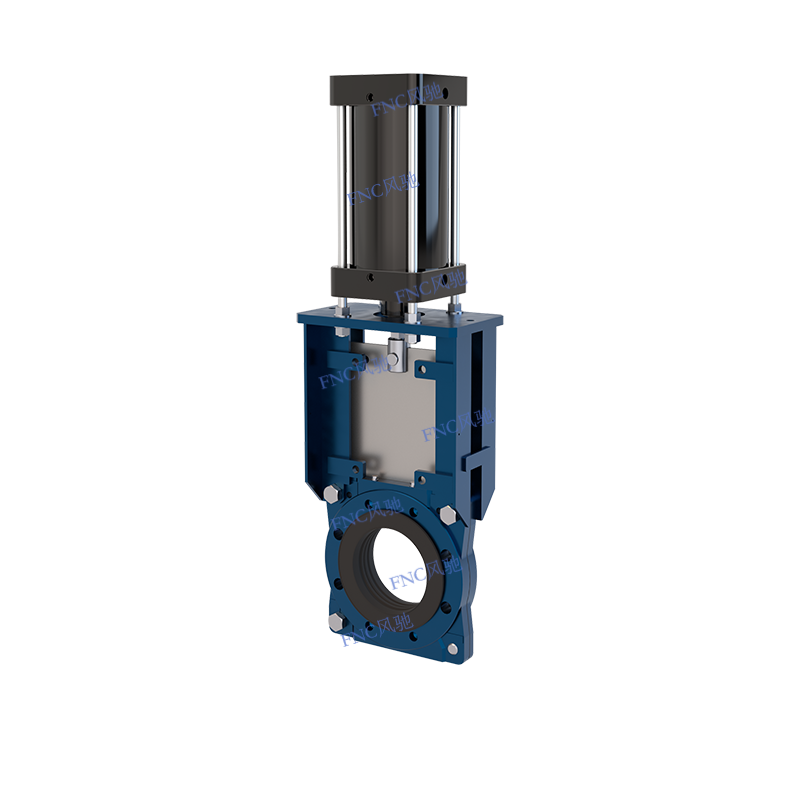
Шламово-ножевая задвижка FNC совместима с различными приводами. Его основной корпус изготовлен из таких материалов, как чугун, литая сталь и нер...
Подробности см.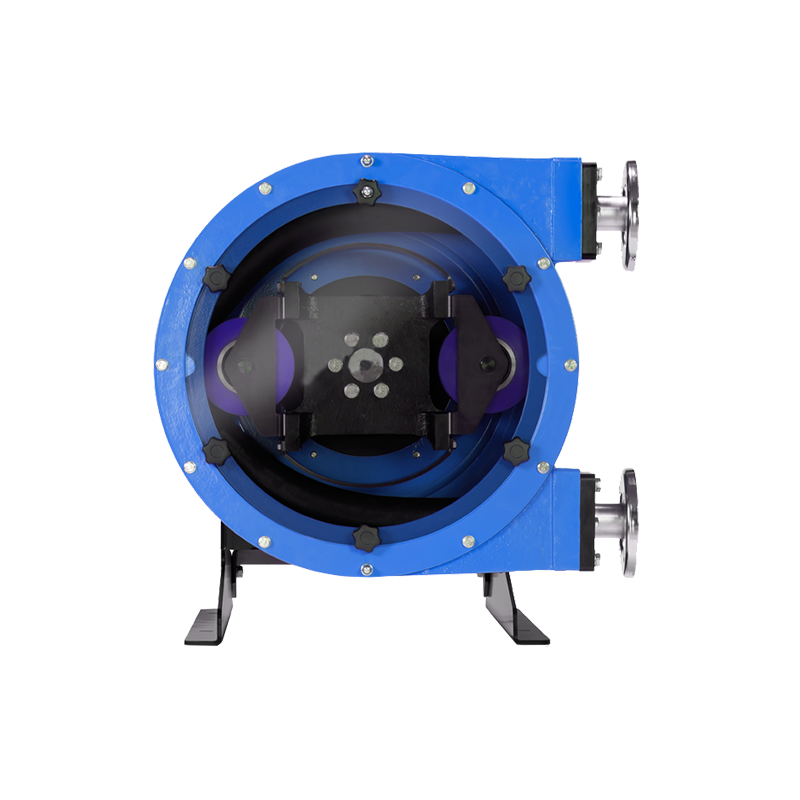
Шланговые насосы относятся к категории перистальтических насосов. Шланговый насос FNC способен перекачивать высокоабразивные среды. В нем нет кл...
Подробности см.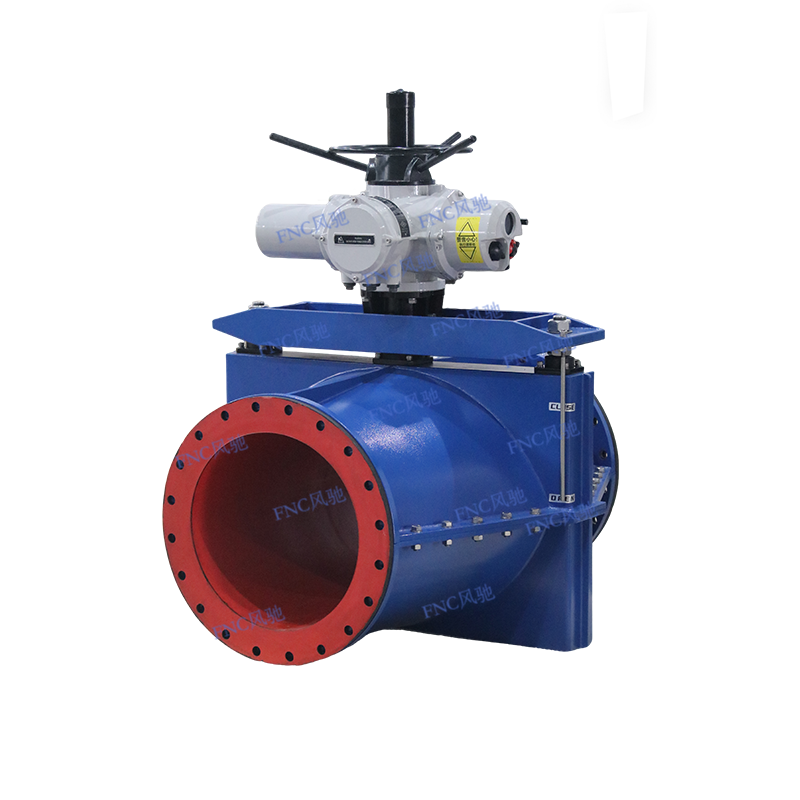
По сравнению с обычными пережимными клапанами, пережимные клапаны большого диаметра предъявляют гораздо более высокие производственные требовани...
Подробности см.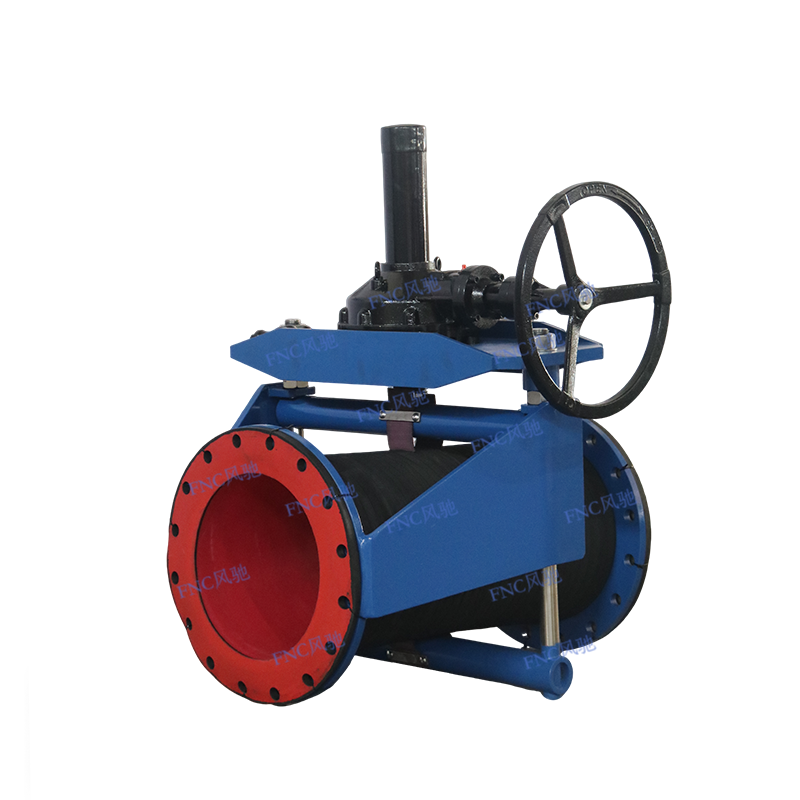
Принцип действия закрытого пережимного клапана FNC® прост. В открытом положении клапан обеспечивает полнопроходной проход, обеспечивая неогранич...
Подробности см.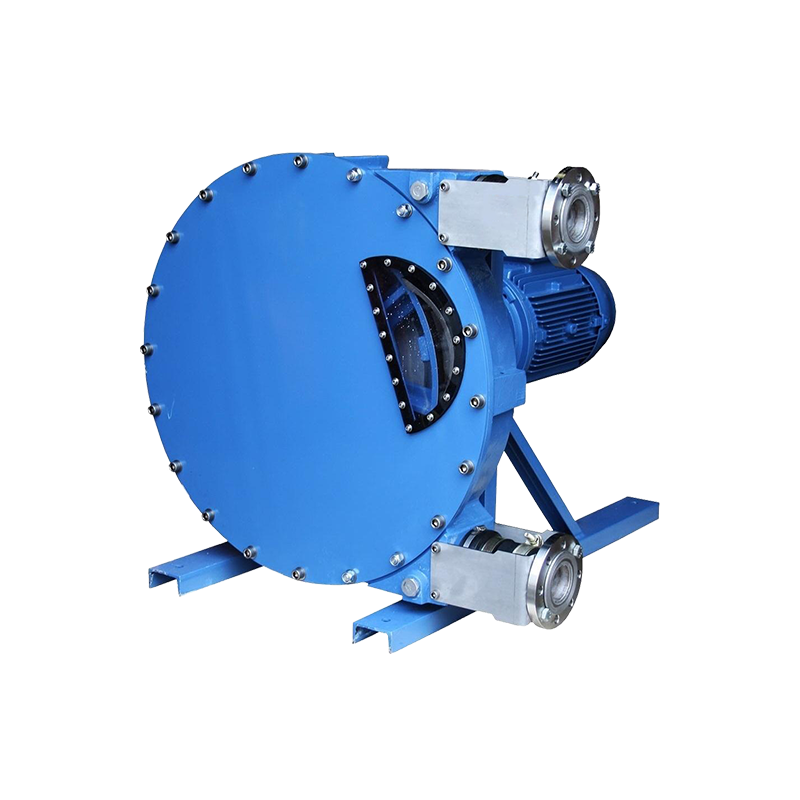
Шланговые насосы относятся к категории перистальтических насосов. Шланговый насос FNC способен перекачивать высокоабразивные среды. В нем нет кл...
Подробности см.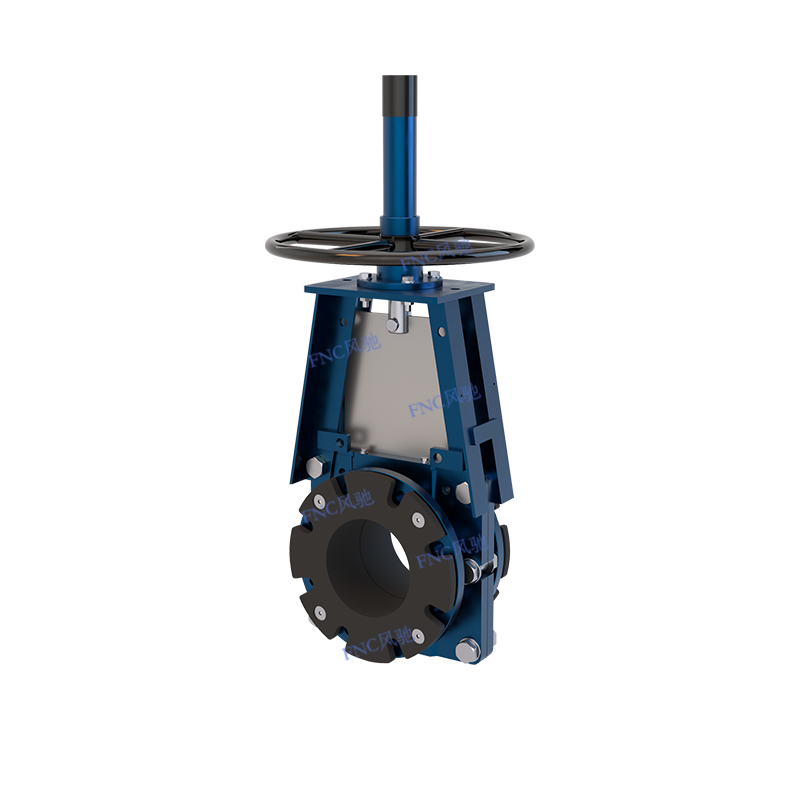
Шламово-ножевая задвижка FNC совместима с различными приводами. Его основной корпус изготовлен из таких материалов, как чугун, литая сталь и нер...
Подробности см.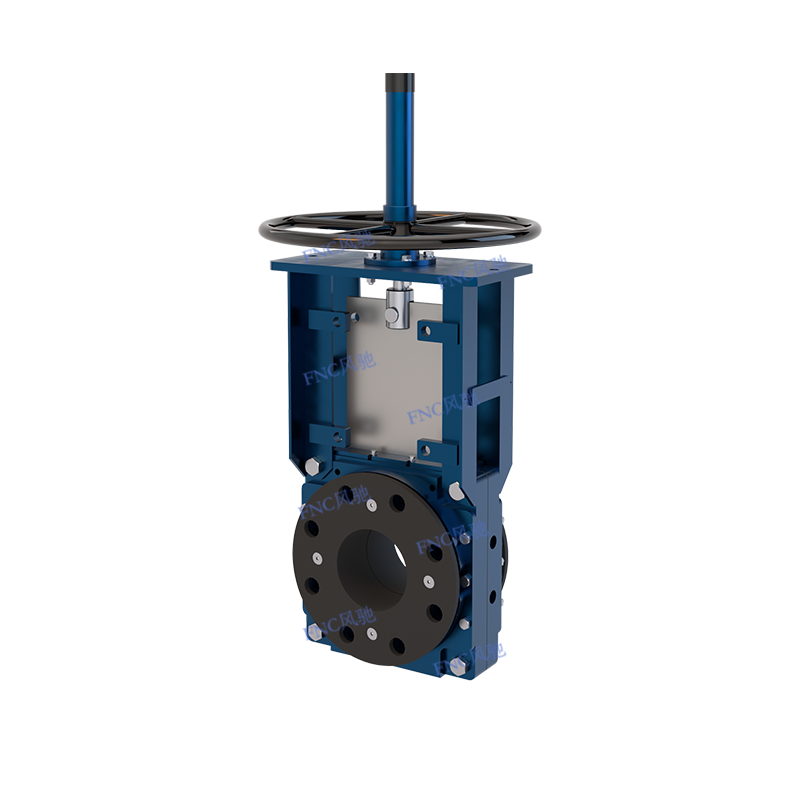
Конструкция шламовой ножевой задвижки высокого давления KGV-H отличается плоским фланцем, отсутствием уплотнения и двунаправленной конструкцией ...
Подробности см.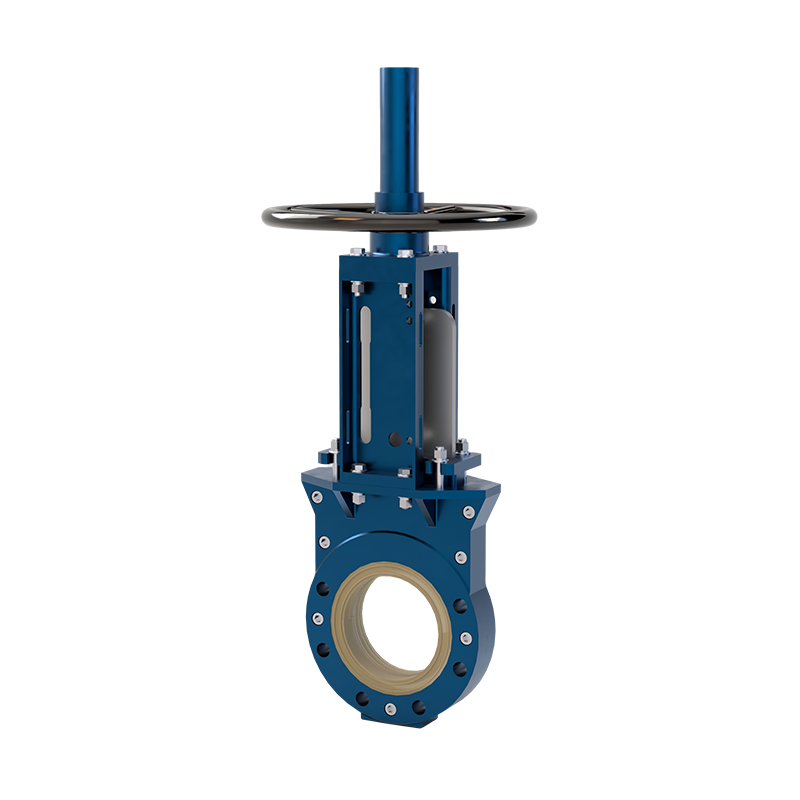
Износостойкая шламовая шиберно-ножевая задвижка серии KGV-PU имеет новую полностью футерованную полиуретановую конструкцию, что приводит к значи...
Подробности см.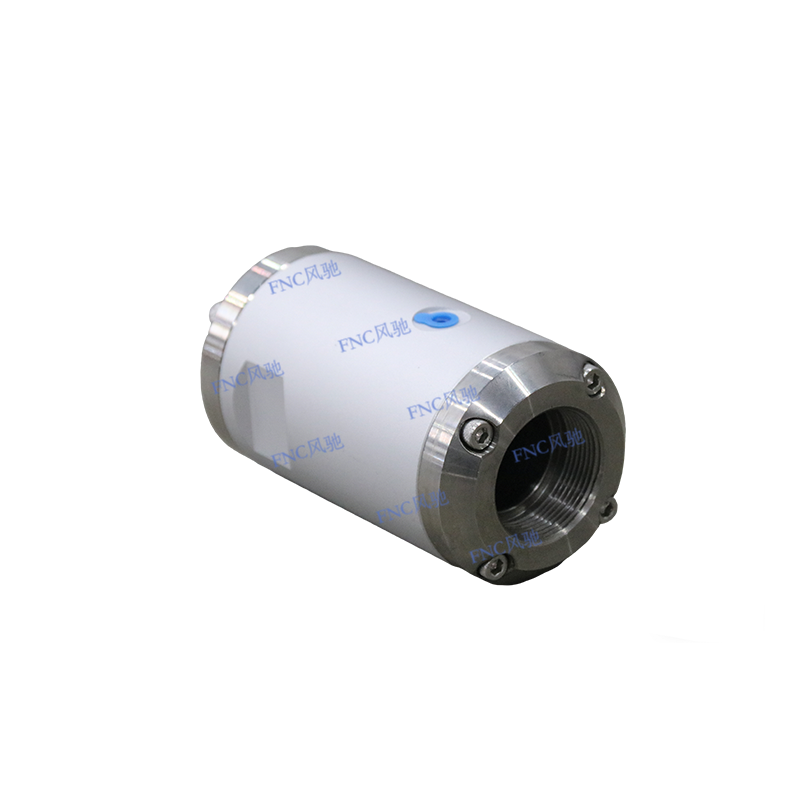
Пережимные клапаны с пневматическим приводом предлагают уникальное и экономичное решение проблем контроля жидкости. Секрет кроется в резиновой в...
Подробности см.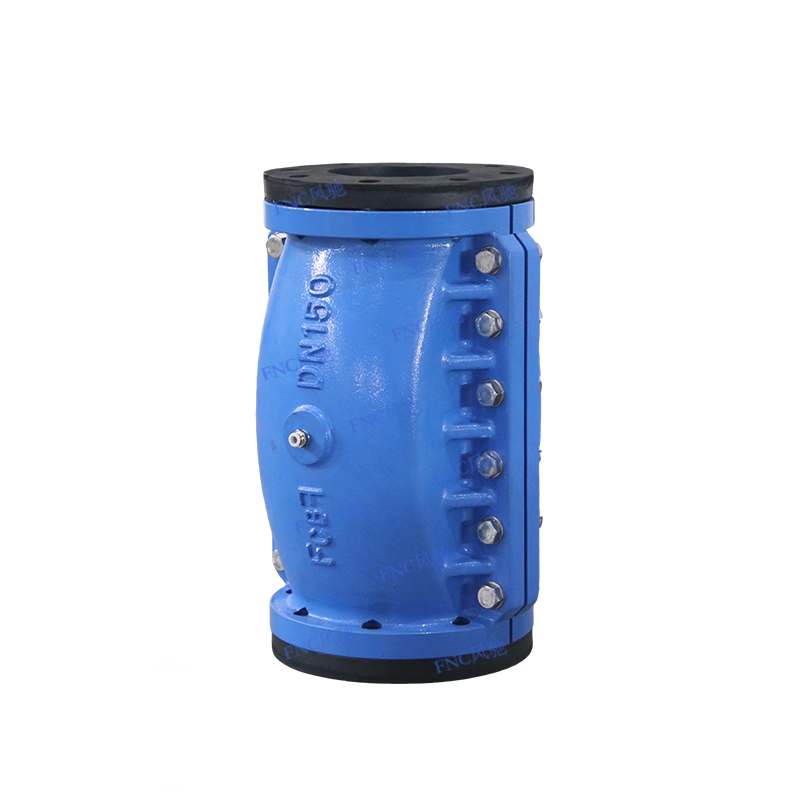
Пережимные клапаны с пневматическим приводом предлагают уникальное и экономичное решение проблем контроля жидкости. Секрет кроется в резиновой в...
Подробности см.
Телефон: +86-136 7173 4086

Тел.: +86-563 5033 866

Эл.почта: red@pinchvalves.com.cn

Адрес:
Авторские права© 2025 Anhui Fengchi Pump Valve Manufacturing Co., Ltd.
Запорный клапан высокого давления, изготовленный на заказ.